A food writer's sermon
The longest January I remember is over.
At last. Even safe in my East End nest, I feel pummeled and bruised—in a spiritual way, which by no means compares to what my brethren in my late mother's birthplace of Minnesota have endured. Are enduring still.
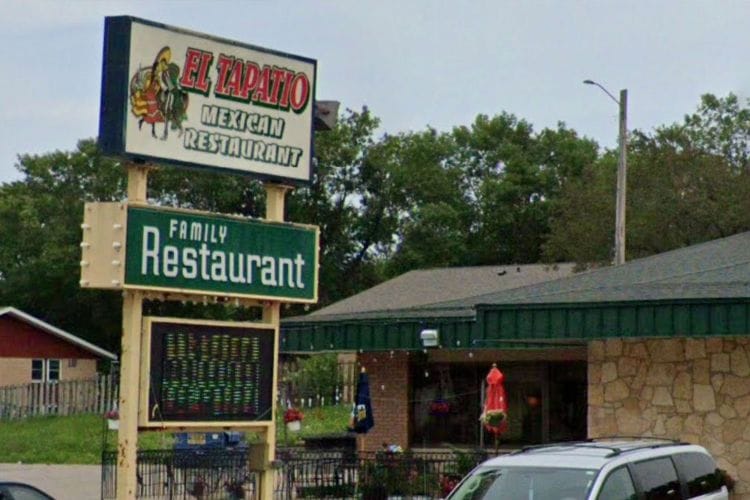
It has been difficult for me to comprehend what I see our government doing there, day after day after day. One of many ICE/BP misdeeds that haunt me involves the ICE agents who ate at a small-town Minnesota Mexican restaurant and then returned at closing time to detain the workers who had provided their meal. Every cell in my food-writer body revolts at the thought.
To betray offered hospitality seems, to my agnostic soul, like a mortal sin. I keep trying to see into the minds of those ICE agents, wondering if they had the capacity for gratitude that (to my mind, anyway) always accompanies being served a restaurant meal.
The root word of "restaurant" is the French "restorer," to restore, in the sense that food and drink and human contact can restore one to oneself. One emerges revivified, fortified, ready for whatever comes next. I have thought about how that equation operates a lot in my work, and in my life. Every day, every meal, is a thanksgiving of sorts. A gift.
Here in America, where food cultures entwine and blossom along with immigration, restaurants where people of all kinds come together often serve as embassies of a sort. They are places where we begin to understand and appreciate each other. That is especially true here in Houston, where we have been at that project since the immigration acts of the 60s began changing the face and the soul of what had been a deep-Southern city.
I wrote about that transformation in the Houston Chronicle during the worst days of the pandemic, when the city's restaurants were in a fight for their lives. To me, there is a sacred quality in the spaces where we break bread together, whether it's a steam-table taqueria or a high-flying sushi counter. To betray that quality is to blaspheme.
In my mind, the guys who locked up those El Tapatio restaurant workers will be consigned to a particularly loathsome circle of hell. Dante reserved his final, ninth circle for those who committed treachery. Betraying those who have just fed you certainly qualifies.
It's not just me or Dante, either: many cultures and religions have taboos against betraying either hospitality or guest rights. These strictures run deep, run ancient. They surface in Homer's Odyssey, in Beowulf, in Paradise Lost. Think of the visceral horror many viewers experienced at the Red Wedding scenes in Game of Thrones, when unsuspecting guests were slaughtered by their hosts.
That's the obverse of the horror I feel every time I think about those agents in that Minnesota Mexican restaurant. It will never leave me.
And it never should.
Member discussion