Naan-chos? At the Ismaili Center's Tapestry, they pop.
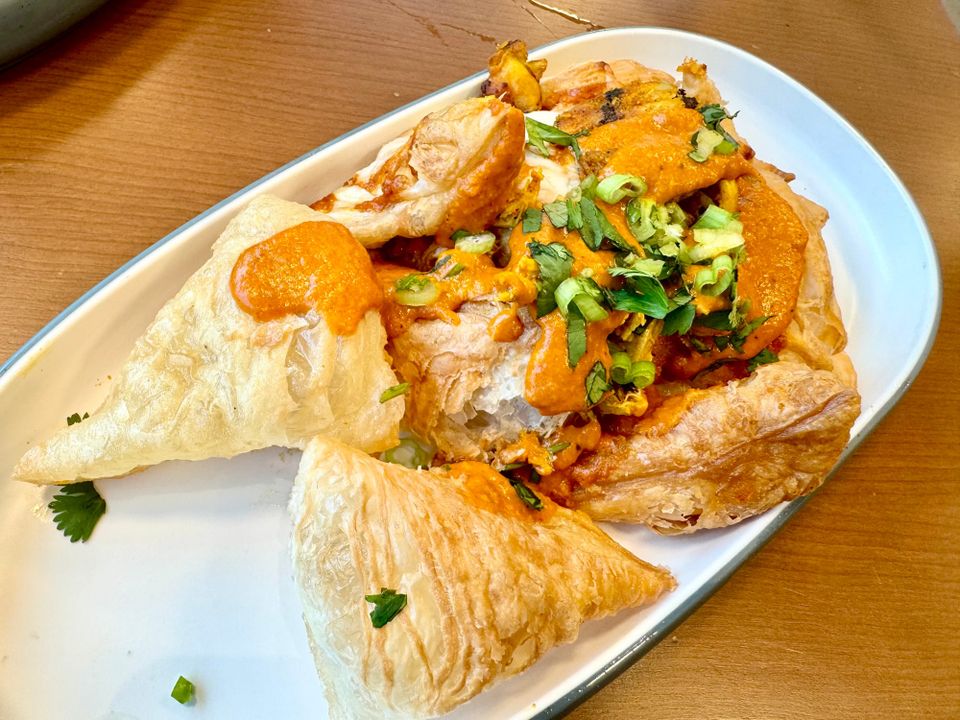
We couldn't stop smiling as we plowed through our comical-sounding order of chicken naan-chos. An airy crunch of layered paratha dough here; a galvanically tart-and-spicy burst of tikka sauce there; curls of chicken and pully slides of mozzarella snaking over and about.
That bit of tongue-in-cheek Mexican/Subcontinental fusion captures the playful spirit of the new Tapestry cafe at the Ismaili Center. It was day three of the sleek, airy cafe's life, after a tryout period of pop-ups for friends and family of the Islamic religious branch's recently opened American headquarters. My friend and I had ordered the naan-chos as a jokey experiment, having been told that the young Ismaeli crowd had gone mad for them.
"They pulled out their phones and called their friends to come try them," a staffer told us.
Now we got it. "I can't stop eating these," I chuffed at one point, letting my fried okra popcorn cool and ignoring the minced-chicken koubideh skewers that were to prove—once we got around to them—exceptionally nuanced and persuasive. "It's so Houston," grinned my lunch companion, who had gotten me to go by touting the menu's cheeky juxtaposition of "chai and tacos."
The Ismaili Center has hired Jackson & Company, Houston's venerable catering and events firm, to run the cafe. That afternoon at 1:30 p.m. the company's C.O.O. himself, Sebastian Laval, was here, there and everywhere: greeting guests, seeing to the chic compostable cutlery, sticking his head through the pass to chide the kitchen for running out of jeera rice.
"Rice?!? Really?" he huffed with a tinge of comic exasperation.
In such early days, the cafe staff is still figuring out how many guests to expect—and when— at the self-service counter. There's a distinct tug between the grandeur of the Ismaili Center's minimalist surroundings and the homely realities of a self-service setup.
But so far the food and drink (strictly non-alcoholic, that is) are better and more fun than they need to be. I swear I'd show up just to take advantage of the peerless mint lemonade, which is not a jot too sweet nor a jot too sour. The morning pastries are inventive (leek and cheese? spicy chapli kebab kolache? yes, please). In a world where scones often disappoint, Tapestry's chocolate-espresso versions are dusky wonders.
Not to mention that our lunches left us both amused and happy. We couldn't get enough of the round paratha loaves with their crisp, filmy layers—the same layers that had made the naan-chos click. A plate of dal makhni had a fearless kick to it, and the purple rainbow cauliflower that filled in for rice made our koubideh plate a riot of color. There was even serious cappuccino to finish things off.
It's especially worthwhile to grab a late breakfast or late lunch here if you haven't seen the eye-opening architecture and art of the Ismaili Center in person yet. I had only seen photos, and I wasn't fully prepared for how my first glimpse of the great central hall would affect me: the pale geometrics of the vaulting space literally stopped me in my tracks.
Getting to Tapestry involves a bit of process. You don't need to book—although you can—but once you park underground and present yourself at the garage security desk, you must register as either a visitor (cafe only) or a tour guest (if you want a look at the building and its extensive gardens), by using a handheld keyboard .
Once they've insta-printed a name tag for you, you ascend the elevators to the main building, where the cafe is at the far end of the first floor. There you'll find a spare, light-filled room lined in pale wood, animated by geometrics: conical white pendant lamps; the curves of the pierced-stone screen that distinguishes the building's facade, rising through a tall window from floor to ceiling.
The tables all seat four or more, which can feel awkward; I'm hoping they'll add some two-tops eventually, a more inviting size for solo diners and couples. There's plenty of room.
It's clear that Laval and Adam Paul, Jackson & Company's head chef, have had fun putting their menu together. Its mix of culinary influences—from Indo-Pakistani to Levantine to pop American—draws from the origins of the Ismaili religious community. This resolutely tolerant strain of Shi'ite Islam claims adherents stretching from the subcontinent to Syria, Iran and beyond, in a diaspora that counts many followers in the U.K., Canada and the United States.
It's interesting to read up on Ismaili religious traditions before you go, the better to appreciate the center's stunning architecture by Farshid Moussavi and the nine-acre landscape by Nelson Byrd Woltz, meant to reinterpret Islamic garden traditions through six Texas ecosystems. One of seven such centers worldwide, Houston's is the first in the United States and the third in North America, along with Vancouver and Toronto.
So it's a big deal. I love the idea of a public cafe as a way to share the spaces and grounds with the Houston community, and of the freewheeling menu as a cross-cultural party. My eyes widened when I took home a chapli-kebab kolache for my next-day's breakfast and bit in—to find it unrepentantly spicy-hot. A minute later, I knew I was alive. That's Houston, baby
When my friend and I complimented Laval on the irresistible disks of paratha on our lunch plates, and the clever paratha puffs anchoring our naan-chos, he burst with a Frenchman's native enthusiasm for the form. Laminated into feathery layers, they echoed one of Tapestry's Frenchified morning pastries: an intricate envelope holding masala leeks and parmesan.
"We eat parathas at home,"noted Laval, whom I first met as the talented sommelier for Richard Knight's late Hunky Dory. Laval went on to consult at Musaafer, MAD and more before teaming up with chef Aaron Paul at Jackson & Company.
Paul, a graduate of the Culinary Institute of America, actually grows the ghost peppers that go into Tapestry's supercharged hot sauce, which is available on demand. You should try it, because layers of flavor lurk beneath the heat.
An old-line Houston caterer might seem a curious choice to open the Ismaili Center's cafe. Founded by the late Jackson Hicks, it was the darling of both old money and new in the 80s and 90s. In 2003 Hicks sold the company to publicly traded Aramark, and in 2020 it was acquired by a Houston-based outfit, White Glove Productions, whose principals managed special-events venue The Astorian. They've since expanded to other spaces like Tesserae, the adjoining East River rooftop bar Aperitivo, the Parlor at Hawthorne and The Corinthian.
All of which means the company is a master of logistics and of pleasing a wide array of people—making them a better fit than I might have guessed for a museum cafe. I find myself wishing that Jackson Hicks himself—a friend of my youth—could sit down with me at a Tapestry table and have one of our old, obsessive and humor-filled conversations about food and the city.
I'd give anything to hear what Hicks, who loved grand spaces, had to say about the Ismaili Center—not to mention those naan-chos.
Tapestry, Ismaeli Center, 1st floor, 2323 Allen Parkway. Tuesday—Thursday 8 a.m.—4 p.m.; Friday & Saturday 8 a.m.—9 p.m.; Sunday 8 a.m.—4 p.m.
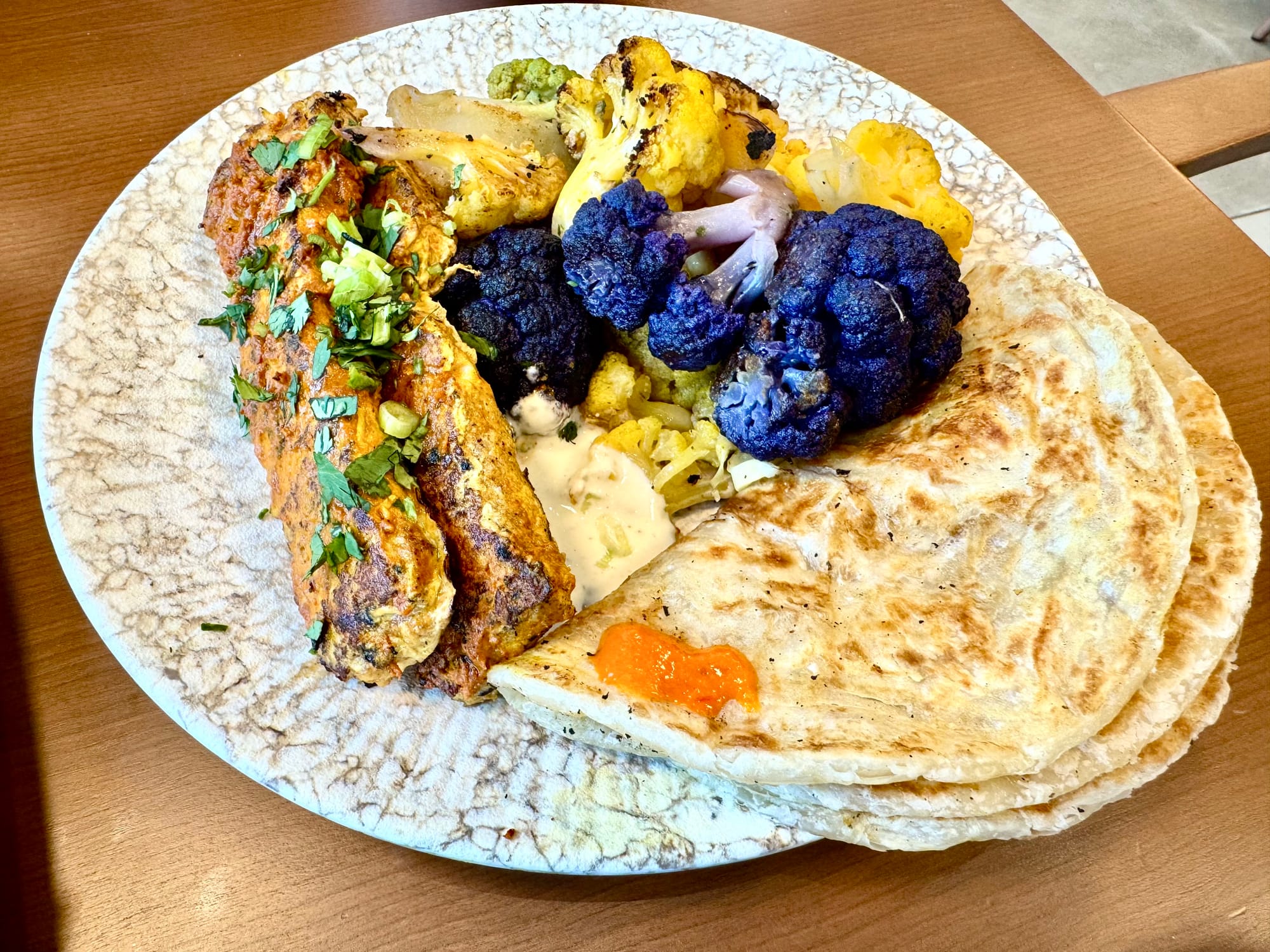
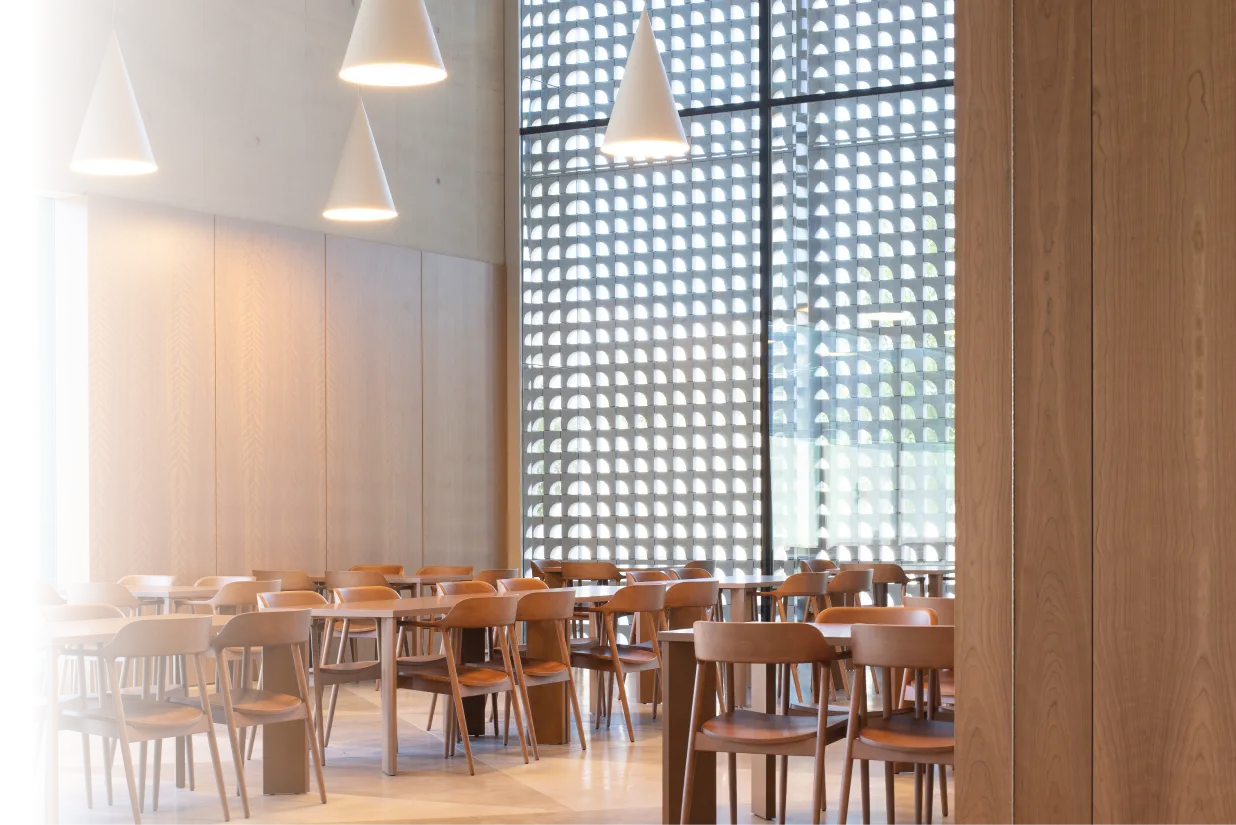
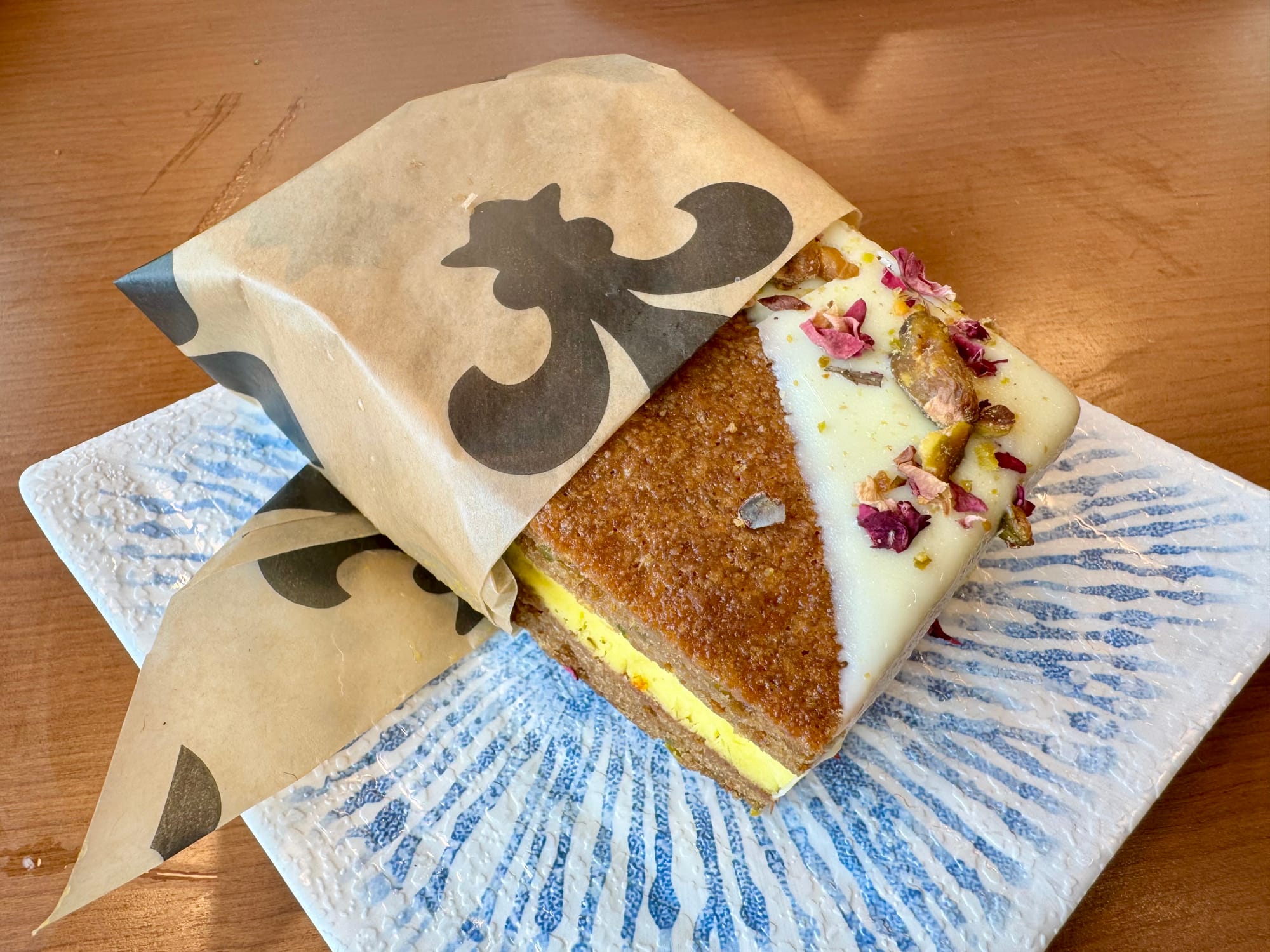
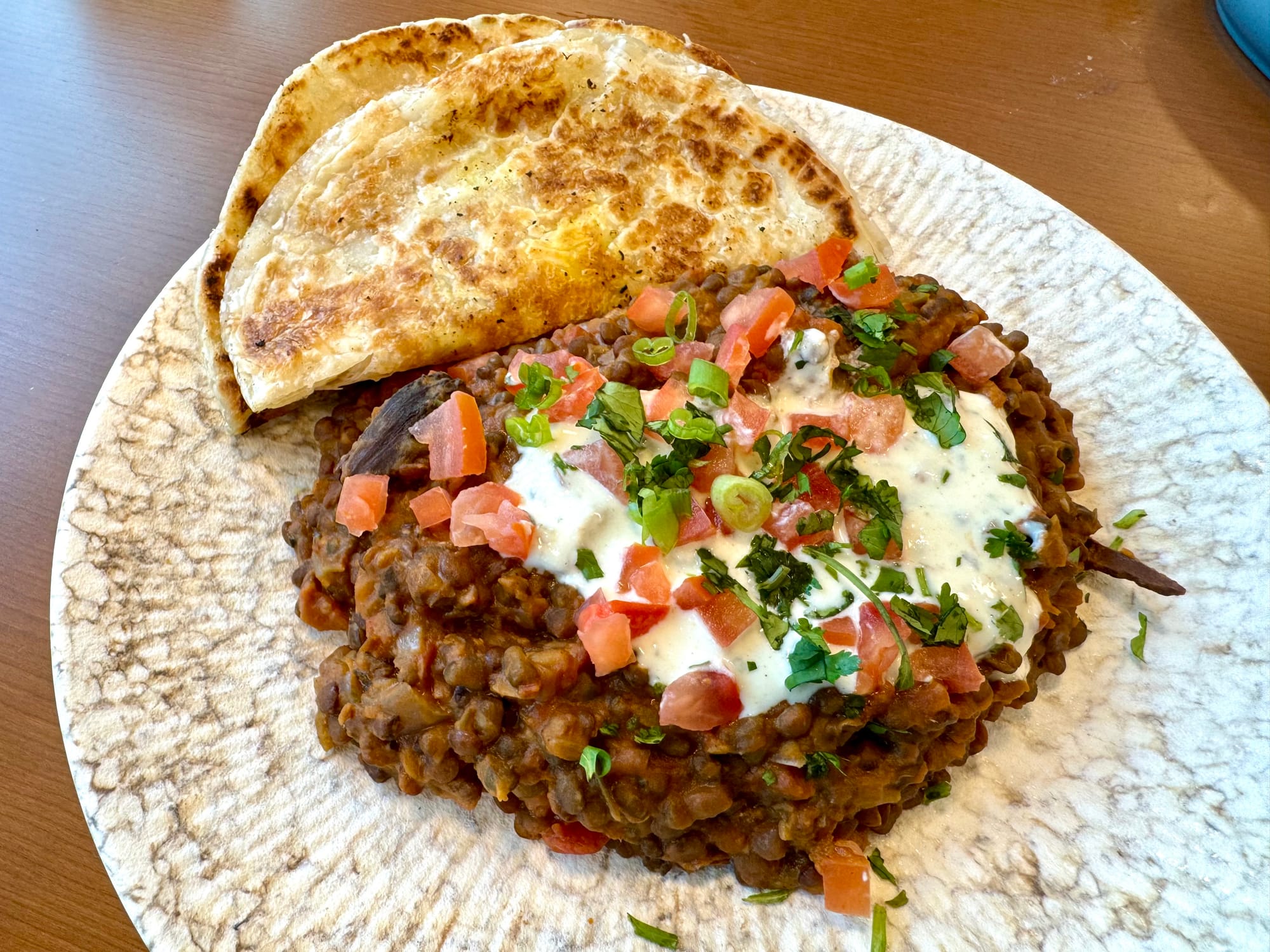
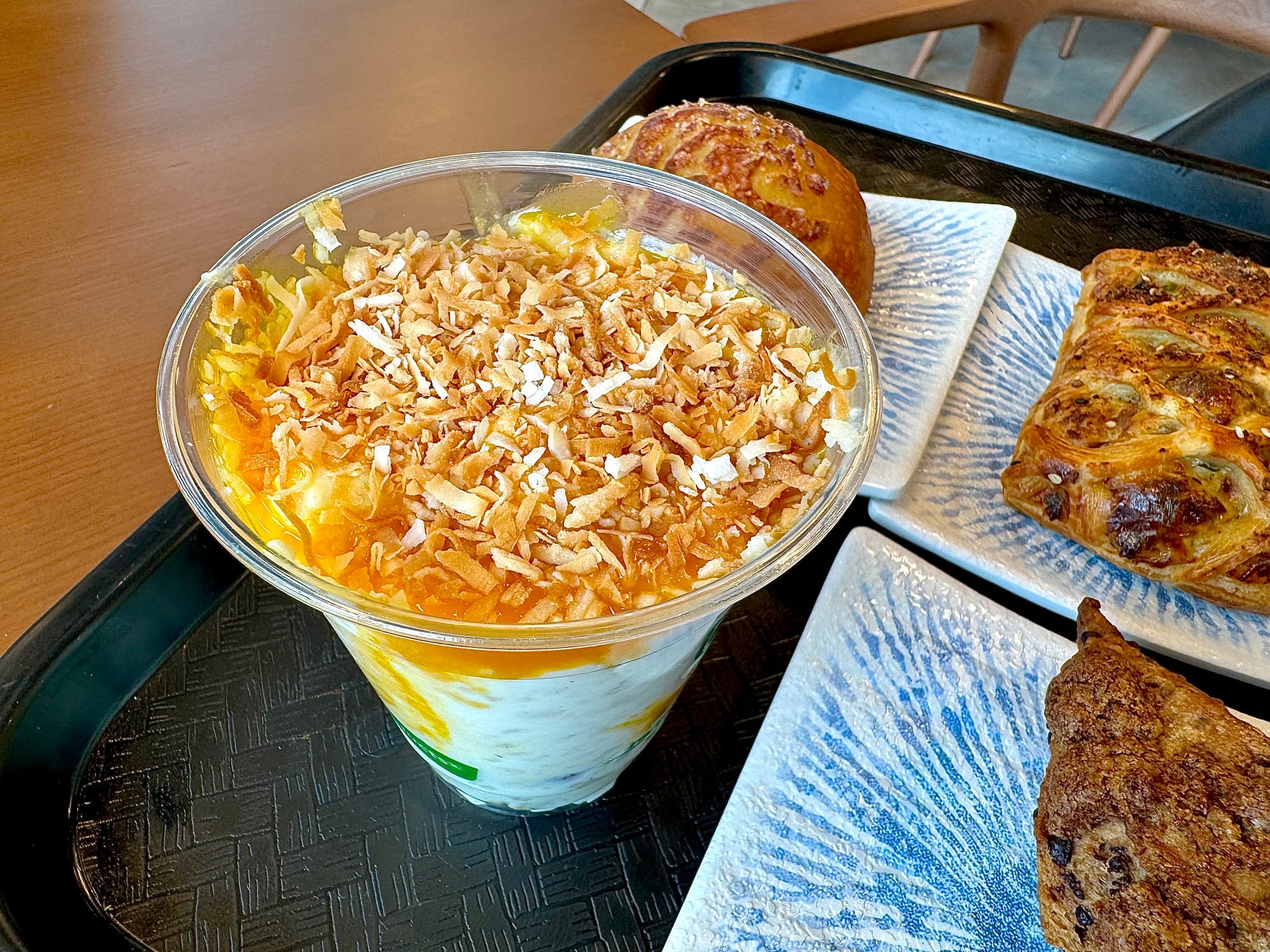
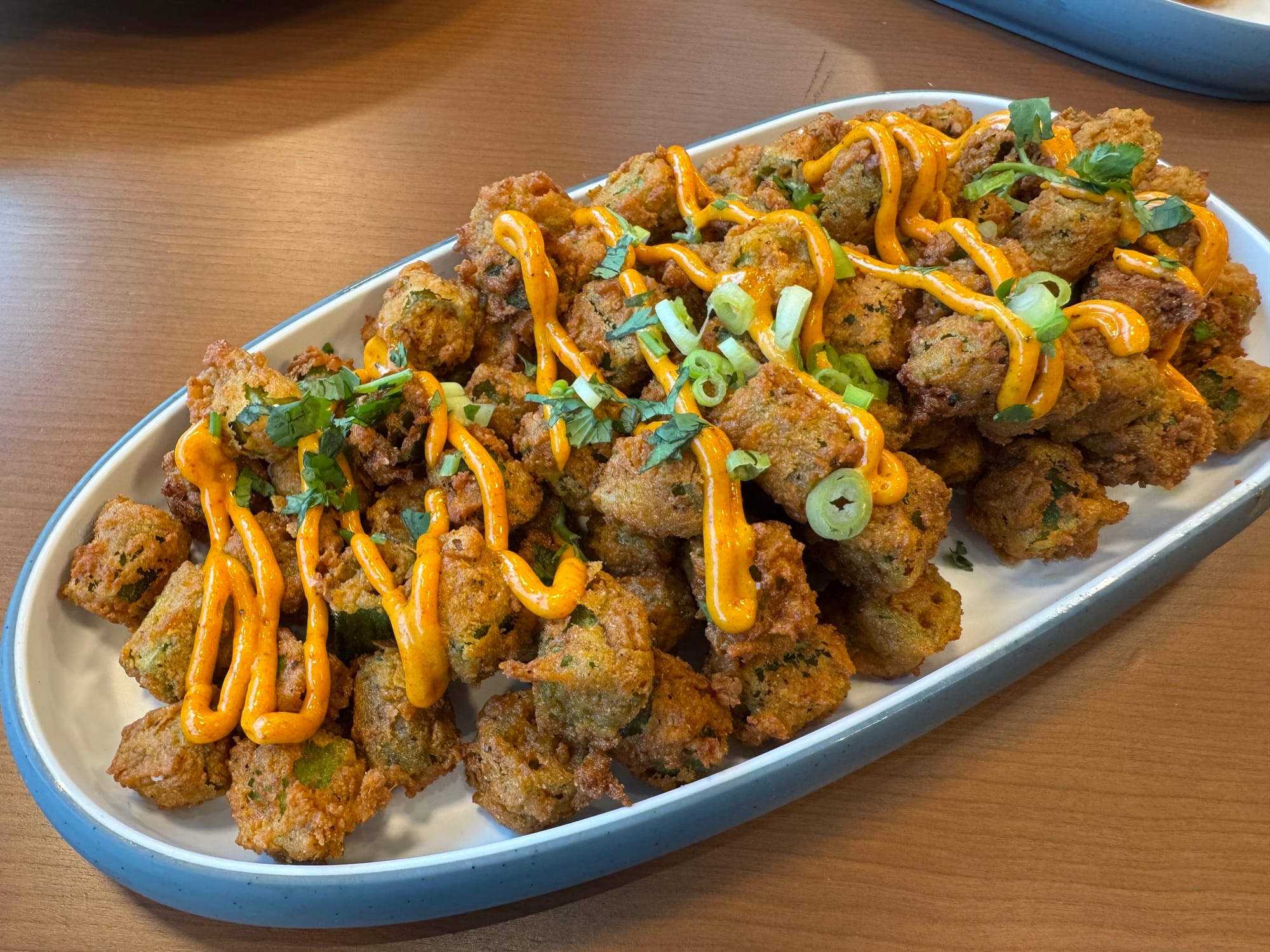
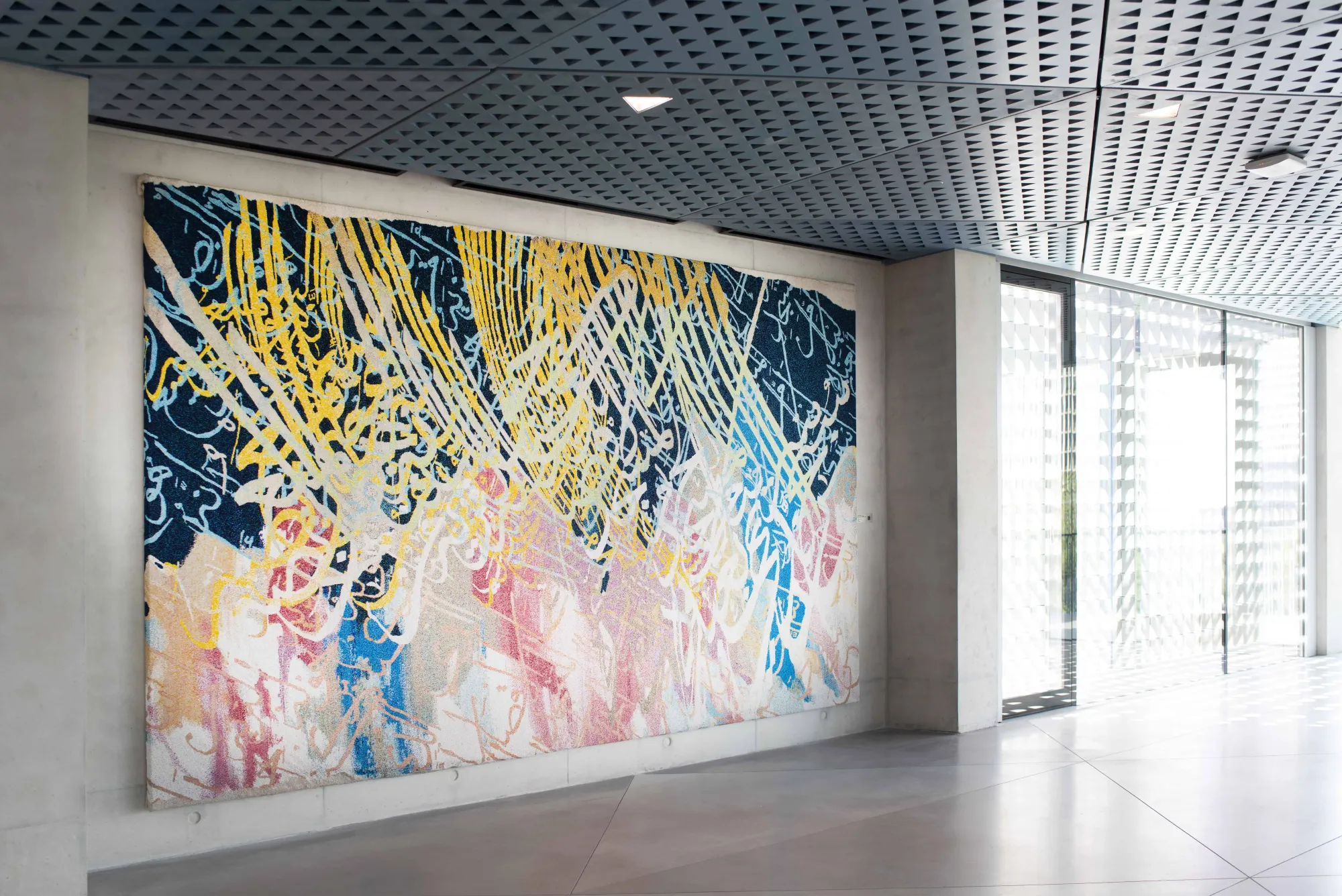
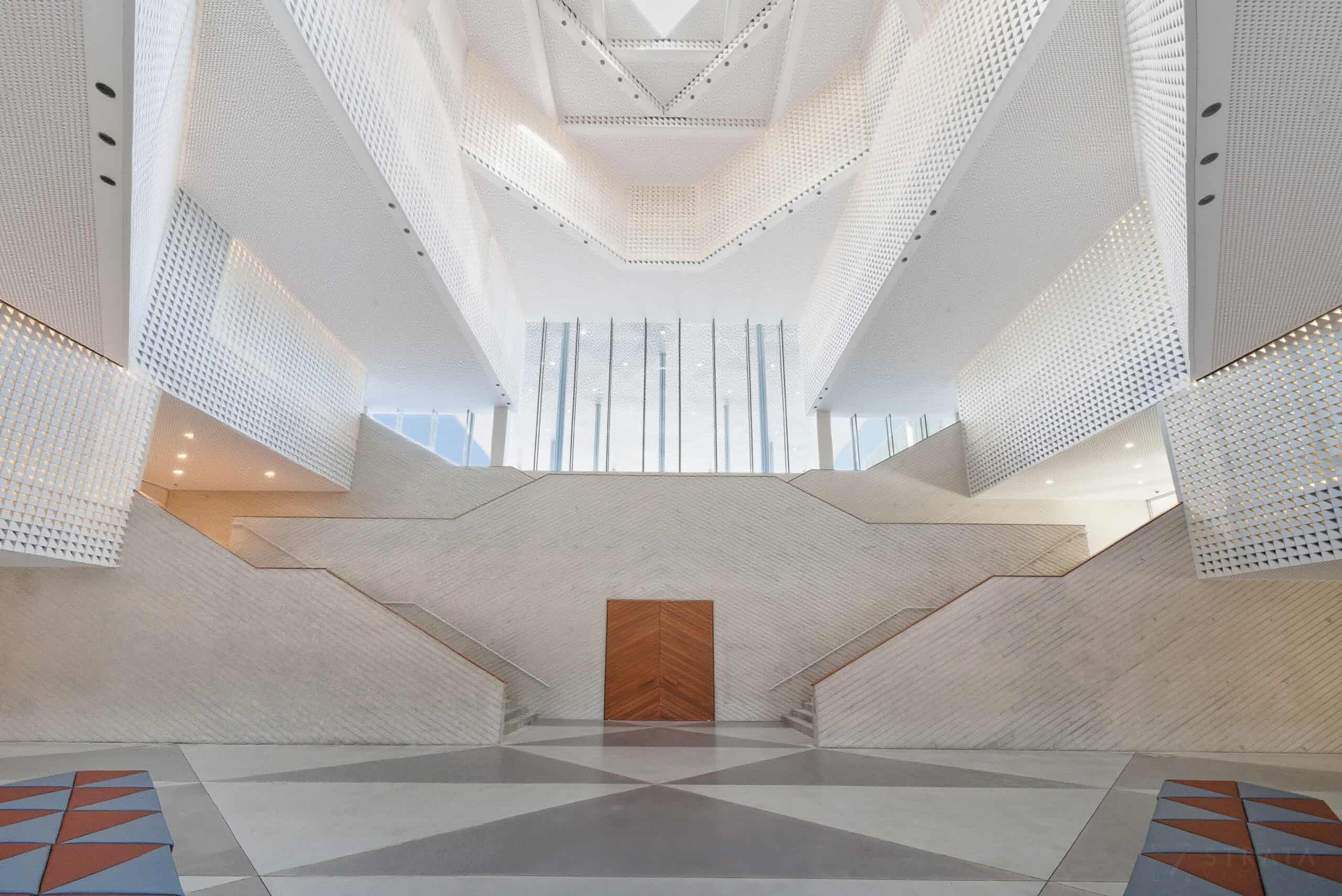
Left to right from above: Tapestry cafe's chicken koubideh plate with paratha, garlic raita and rainbow cauliflower; the cafe interior; bastani ice cream sandwich with saffron, pistachio and rosewater; dal makhni plate; cardamom rice pudding with mango coulis; okra popcorn; artwork at the Ismaili Center. Food photos by Alison Cook; interior photos courtesy of the Ismaili Center.C
Member discussion