
The taste of disappointment
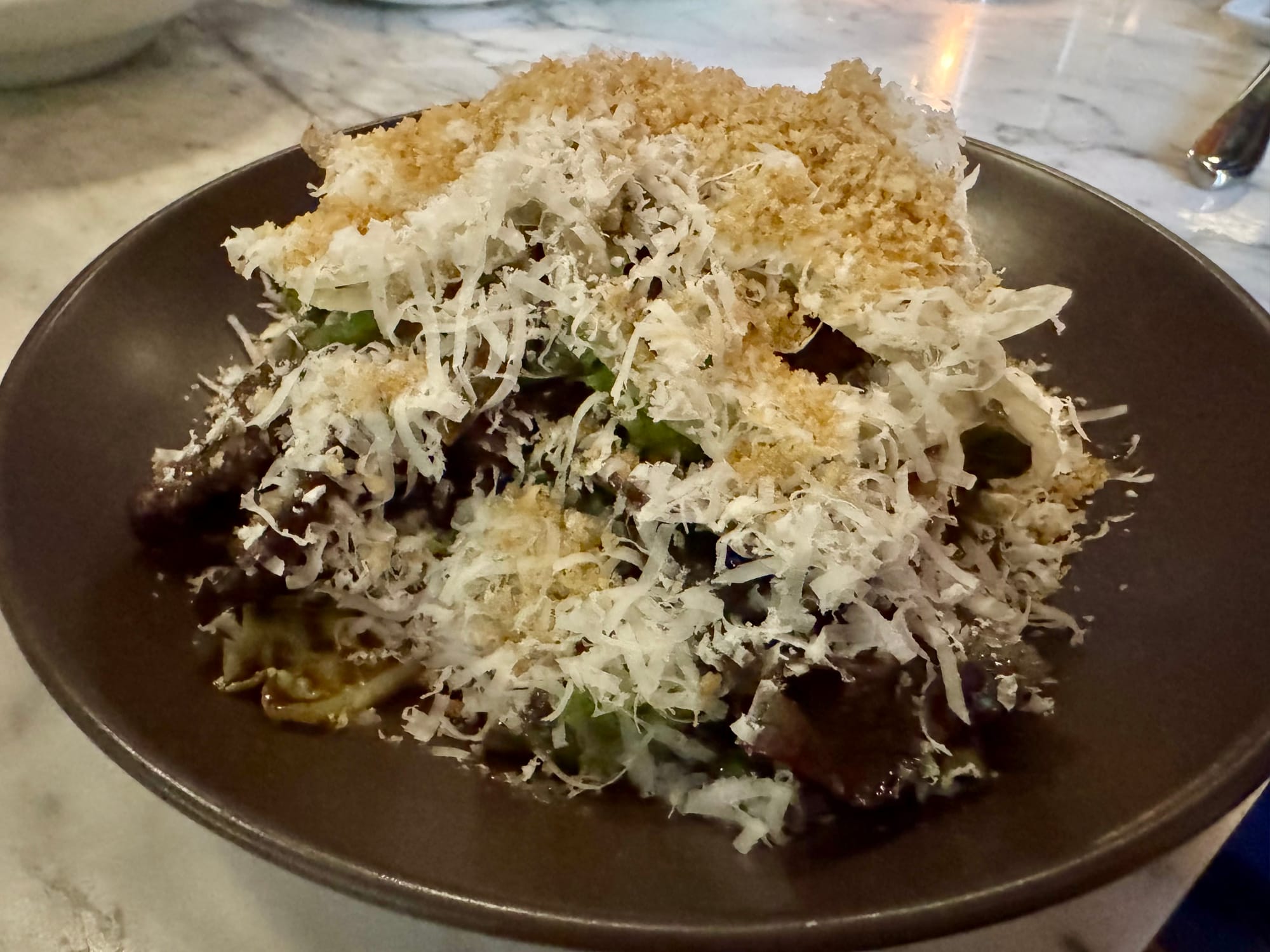
"This salad is hideously sweet," I groused to my friends over an April dinner at Osteria di Mercato. The blue-chip corner import grocery turned Italian restaurant was packed and noisy, full of people having a high time.
Not me. That romanella salad had arrived piled high and shaggy with pangrattato, the seasoned fried breadcrumbs, so that it looked like an extraterrestrial plushy. But tossed together, its black garlic vinaigrette made the Little Gem lettuce and fennel and jillions of crunchy breadcrumbs taste like candy.
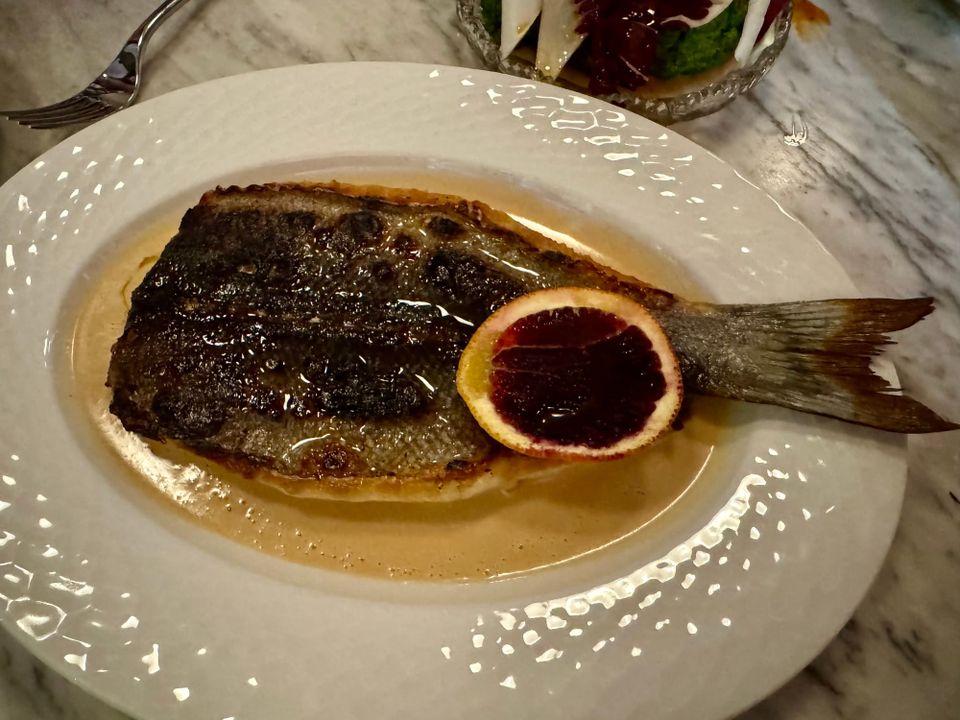
In due course came the pièce de résistance: a whole grilled branzino. It looked aggressively blackened.
"It's burnt!" I protested after a couple of bites. My friend Misha, who relishes fish charcoal-grilled over the fire in a San Sebastián mode—even when it's pushed past the cinder line—disagreed. "More for you!" I told him. I had had enough.
Permanently.
Bad dishes don't hit the way they used to when my employers were paying the tab.
That's been the biggest surprise in my new life as not-a-restaurant-critic. "I'll never come here again!" I mutter to myself when several dishes manage to displease me during the course of a meal. The more it costs, the more I growl.
No more, "Maybe my next visit will be better." Certainly not a sanguine, "a third meal will likely break the tie." Nope, one visit is all a restaurant gets from me if I go home unhappy and resentful about how much money I paid.
Bao Ong, my successor as restaurant critic at the Houston Chronicle, paid Osteria di Mercato at least three visits and recently reached a much more positive verdict than I did. That's how it's responsibly done in the reviewing biz.
Yet as a private citizen—and even though I am an optimistic client, looking to be pleased rather than looking for something to be wrong—my fuse is shorter. Sharper. My palate leaps to conclusions before my brain does.
At some point, I peered into the straw-gold depths of my Livia Felluga Friulano wine. A producer I love. A region I venerate. But no matter how lovely the wine was, no matter how thoughtful the mostly-Italian wine list, I couldn't help fretting over the $27-a-glass price tag. I was worrying, as I often do these days, about the rising cost of dining out.
I know. It's an enormously privileged worry in an era when too many people struggle to pay for groceries. But dining out is what I do, have done for so many decades that it's hard to separate myself from it. No longer my vocation, it has become my hobby.
So I go out, but less impulsively. More judgmentally. More frugally, attuned to cost in a way I wish I had been when I was reviewing.
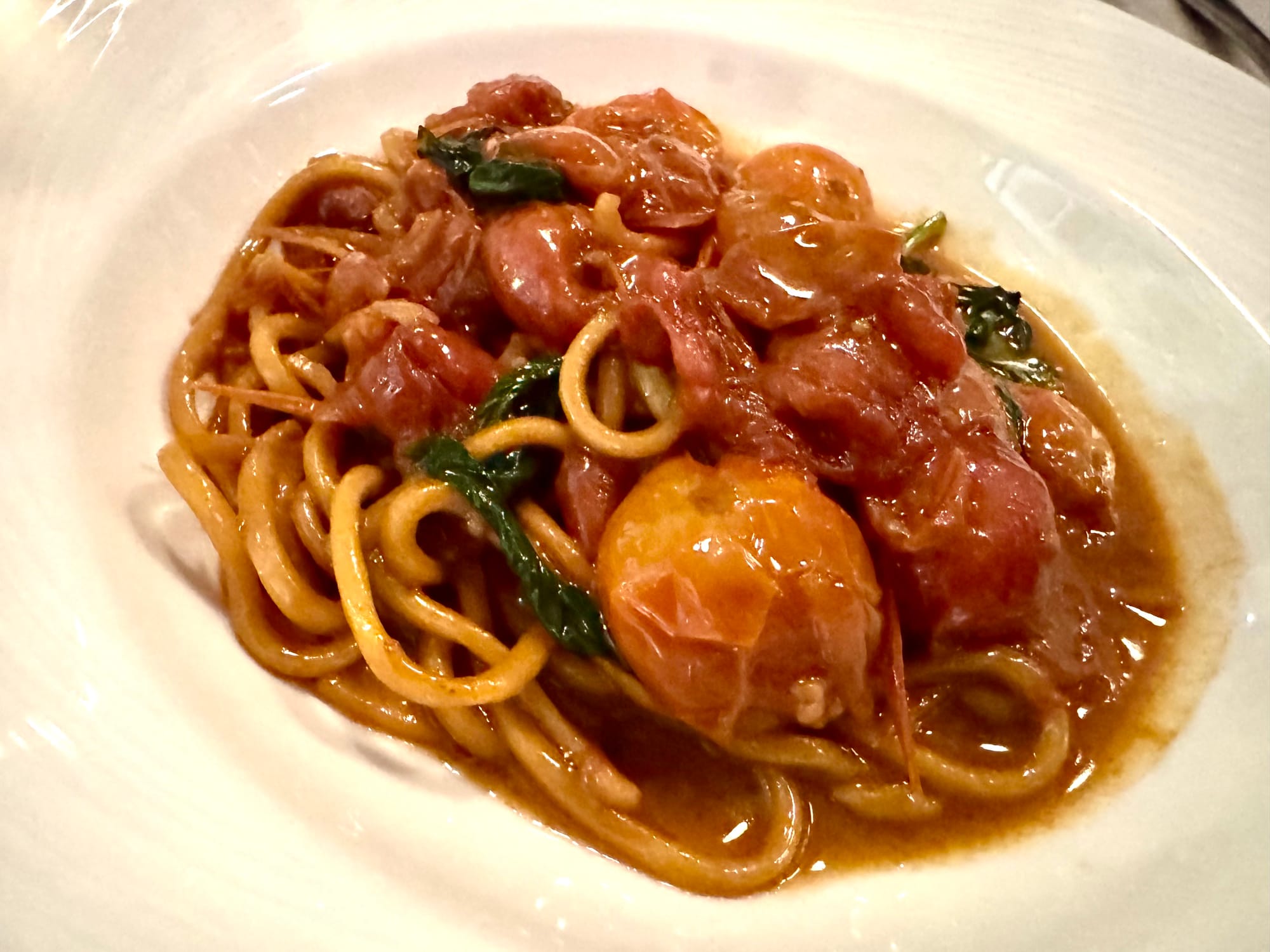
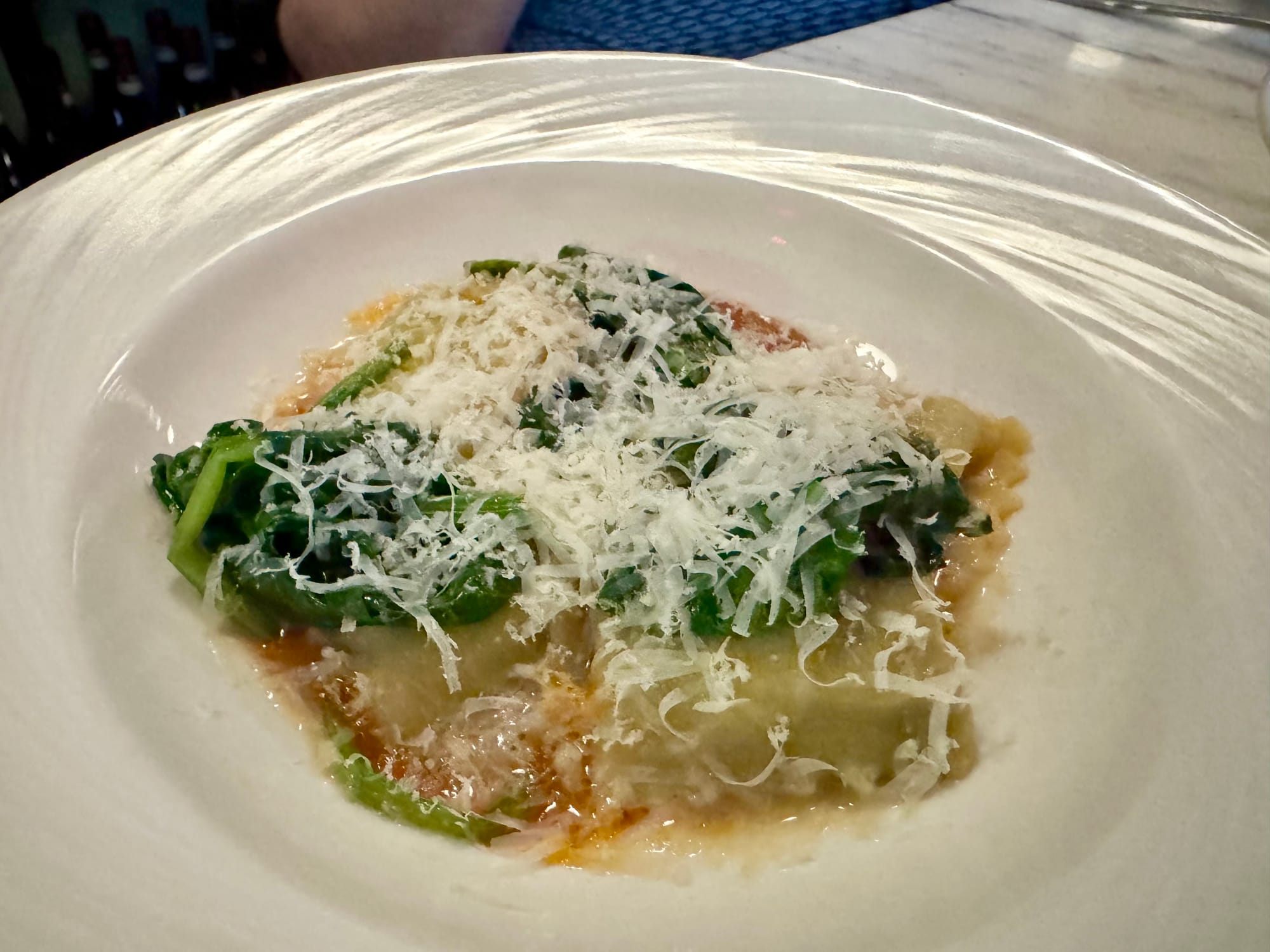
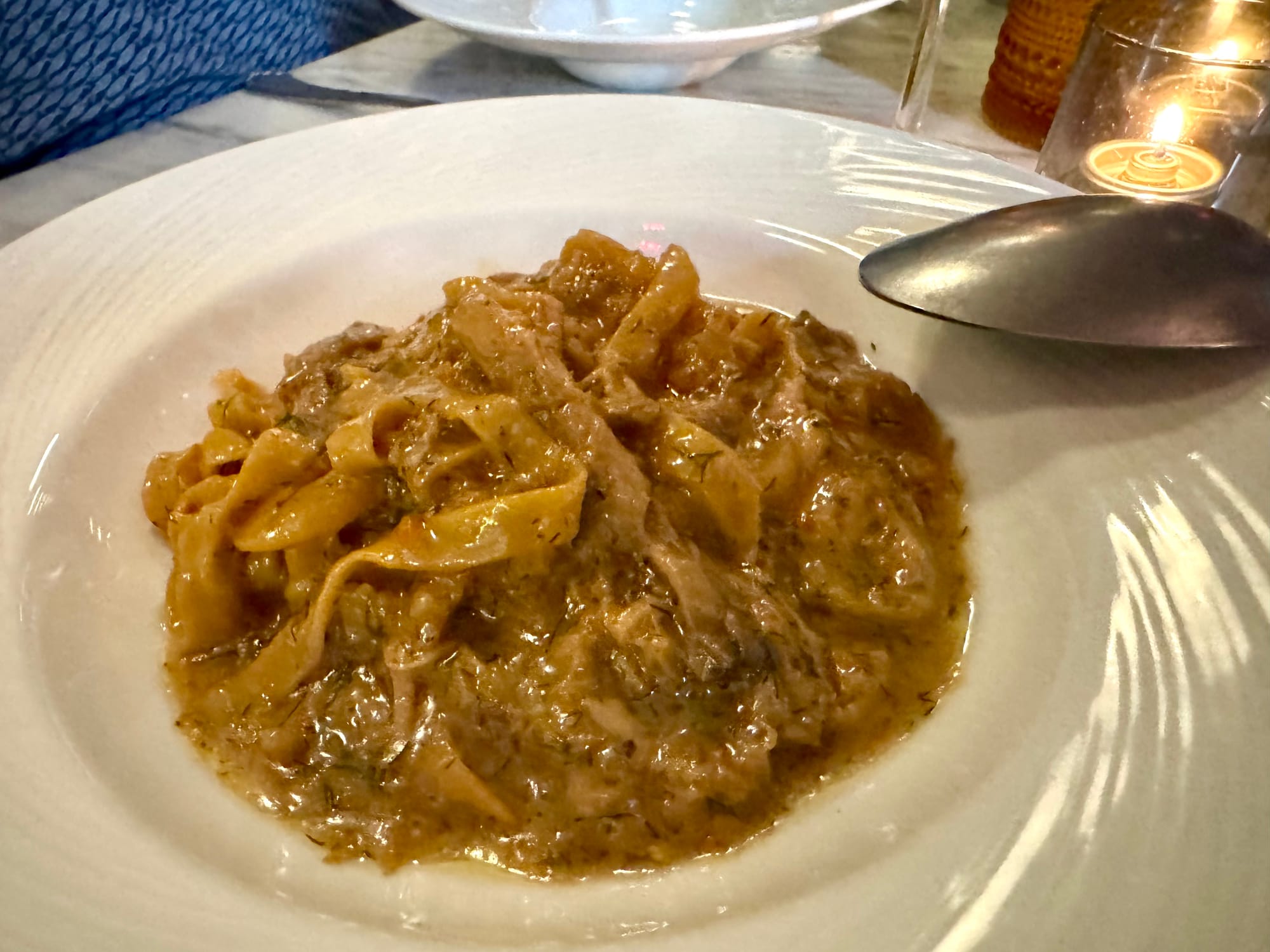
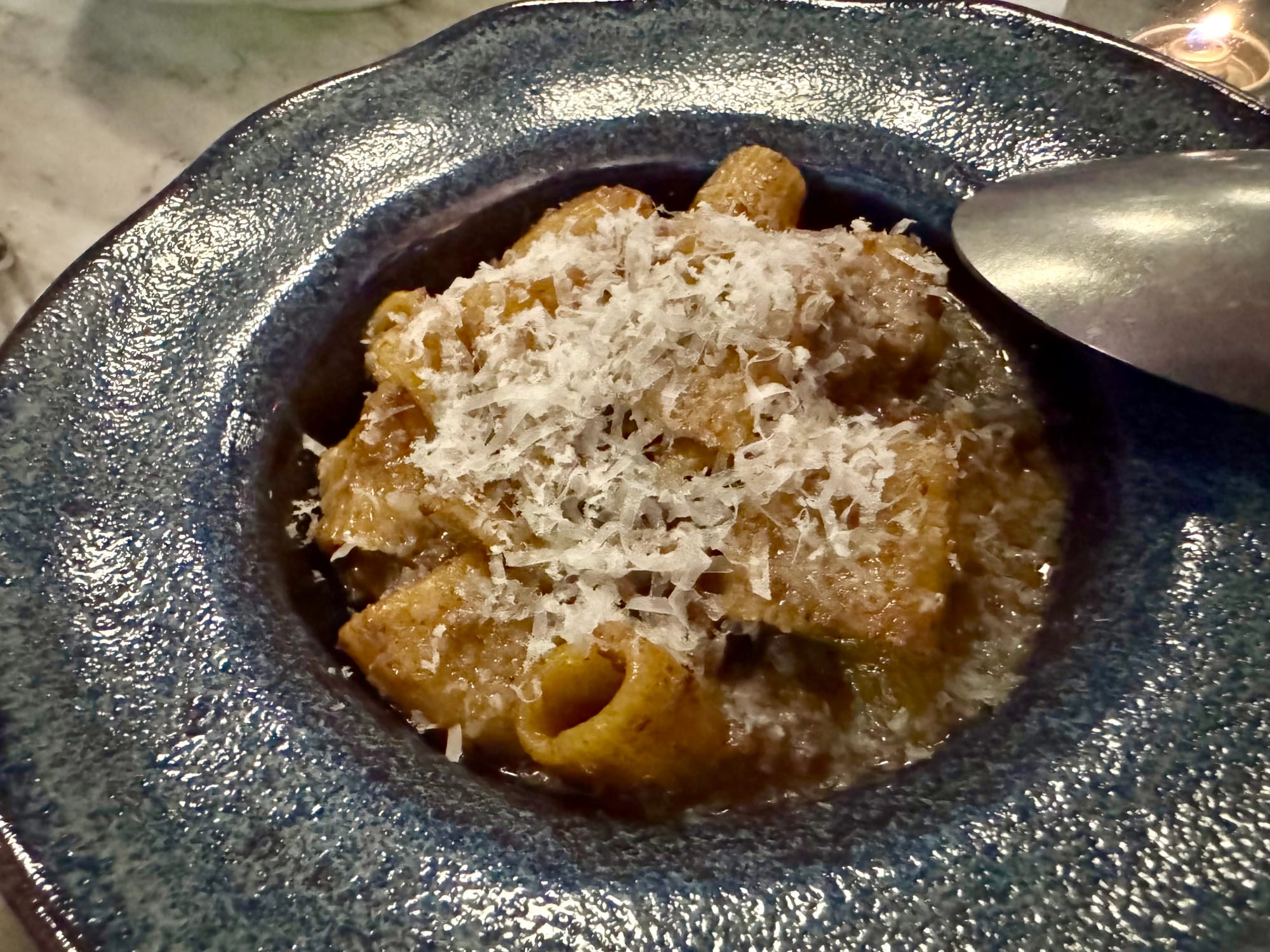
It wasn't just the fish and that salad that grieved me at Osteria di Mercato. The four of us tried four pastas, and I look back at none of them with fondness. Indifference, more like, except for one super-salty dish which made me blurt, "I think there's something wrong back in the kitchen tonight."
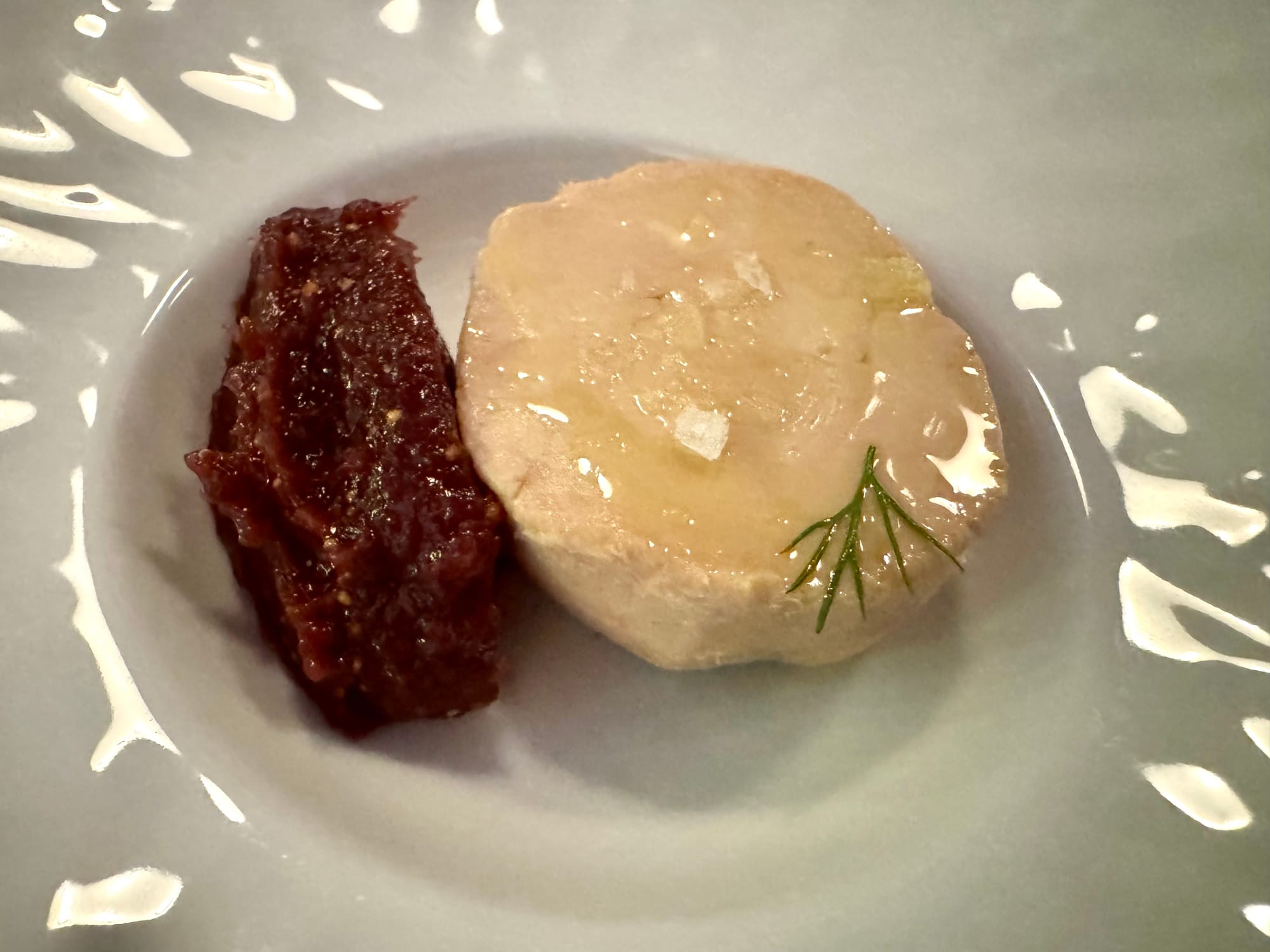
The sole item I sorta liked was a splurgy torchon of foie gras, one of my favorite guilty indulgences, but even that wasn't lush enough to make me think, "I must order that again."
I drove home happy to have broken bread with my friends, but dispirited about what had sounded on paper like a a promising new Italian restaurant.
I was uneasy, too. Not just about the $130 that was my share of our tab, but about the way I had approached cost and value during my reviewing era, when it was easier—and more professional— to blow off a single bad experience.
Member discussion